Department of International Cooperation

Department of International Cooperation


Department of International Cooperation

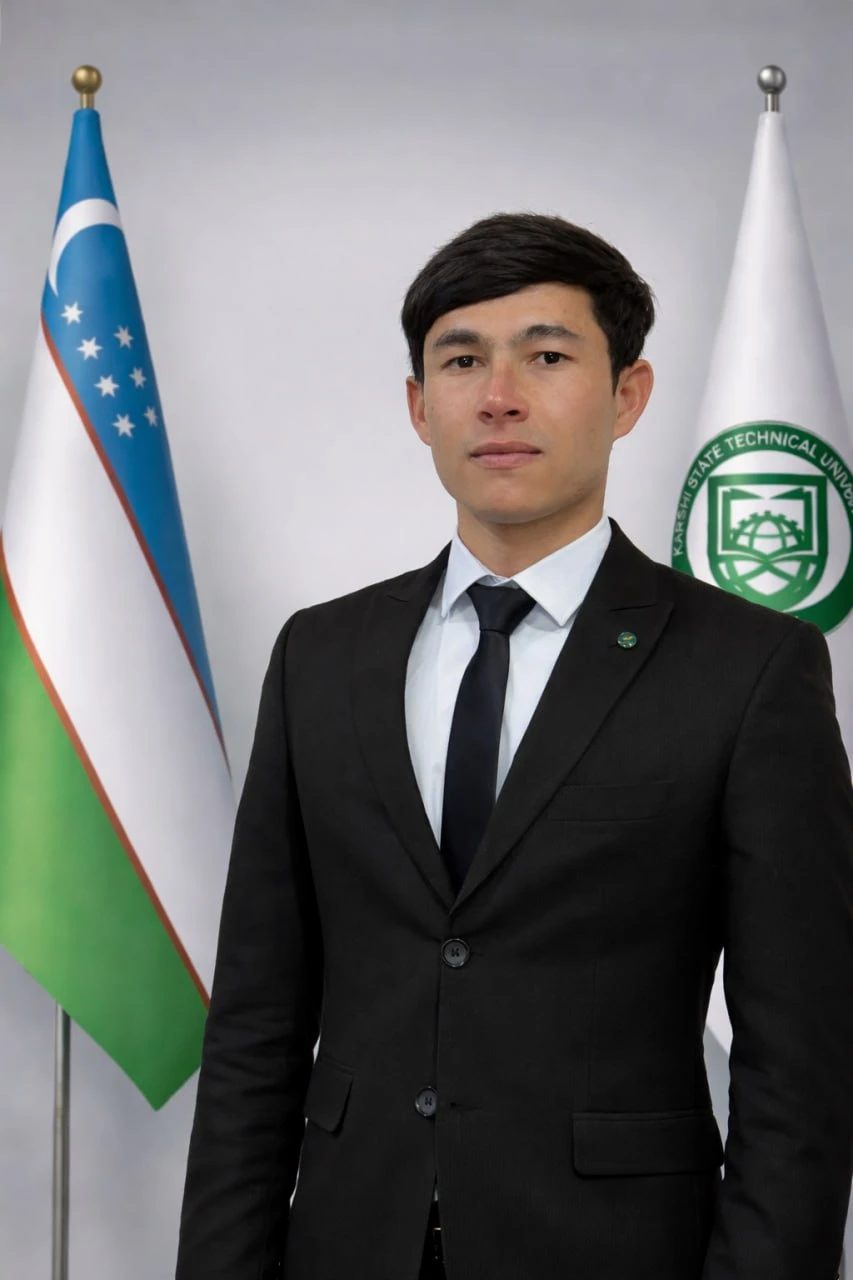
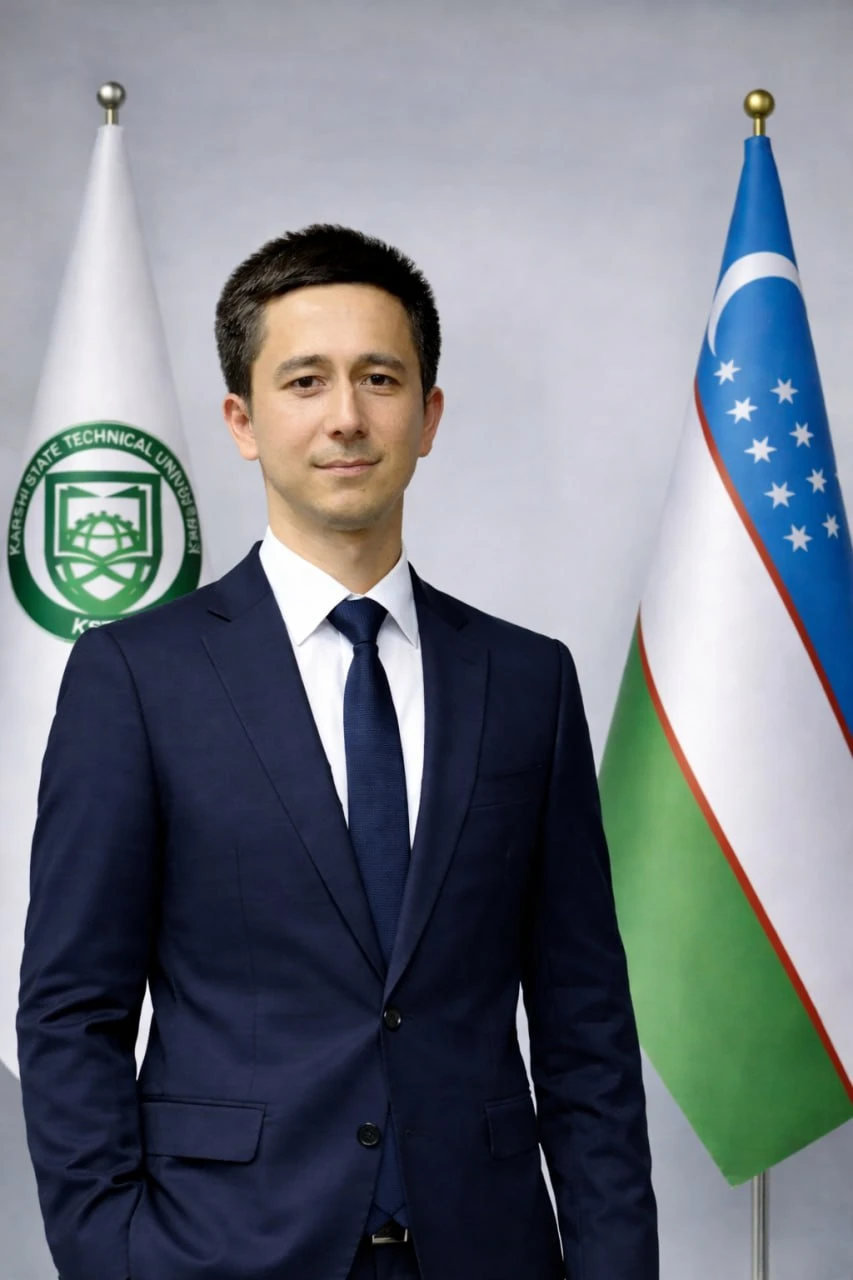
Ganiyev Asadbek Zafar o'g'li

Head of International Cooperation Affairs

Full name:Ganiyev Asadbek Zafar ogli
Phone: +998 93 939 20 31 Email: international@kstu.uz
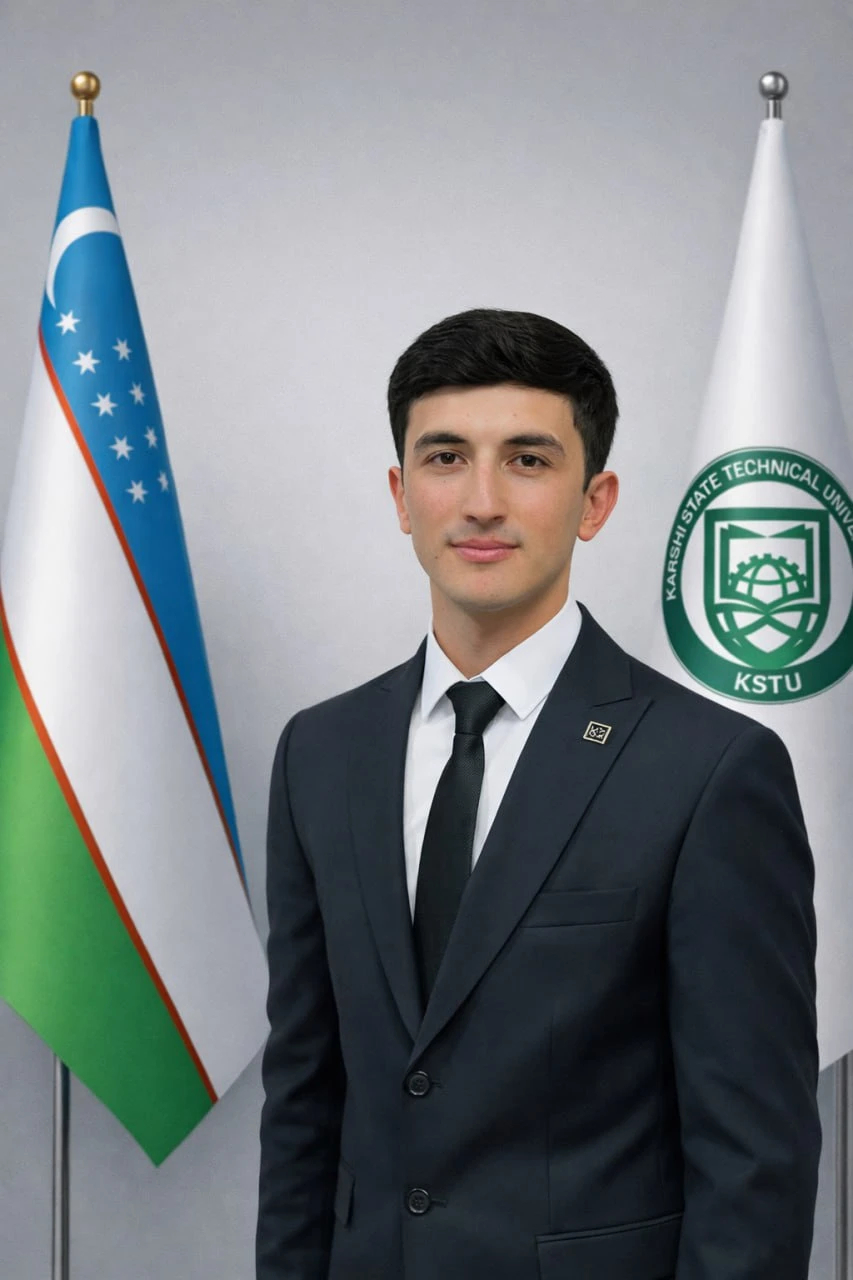
Qo'ziyev Shohjahon

Specialist in International Rankings

Full name:Kuziev Shohjahon
Phone: +998 95 259 02 28 Email: kuziev@kstu.uz
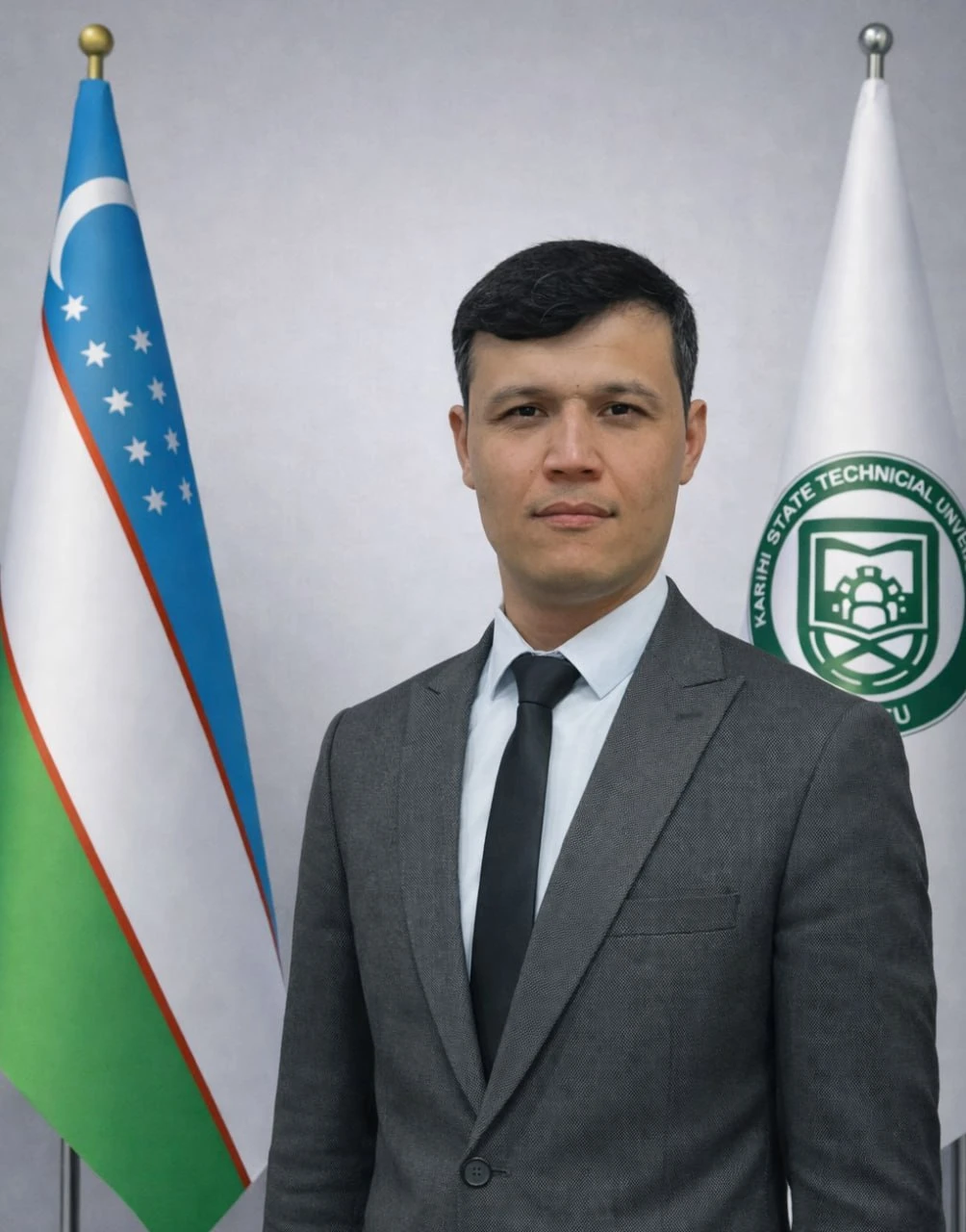
Sherov Azamat Alisherovich

Course Assistant

Full name:Sherov Azamat
Phone: +998 33 517 48 24 Email: asherov@kstu.uz
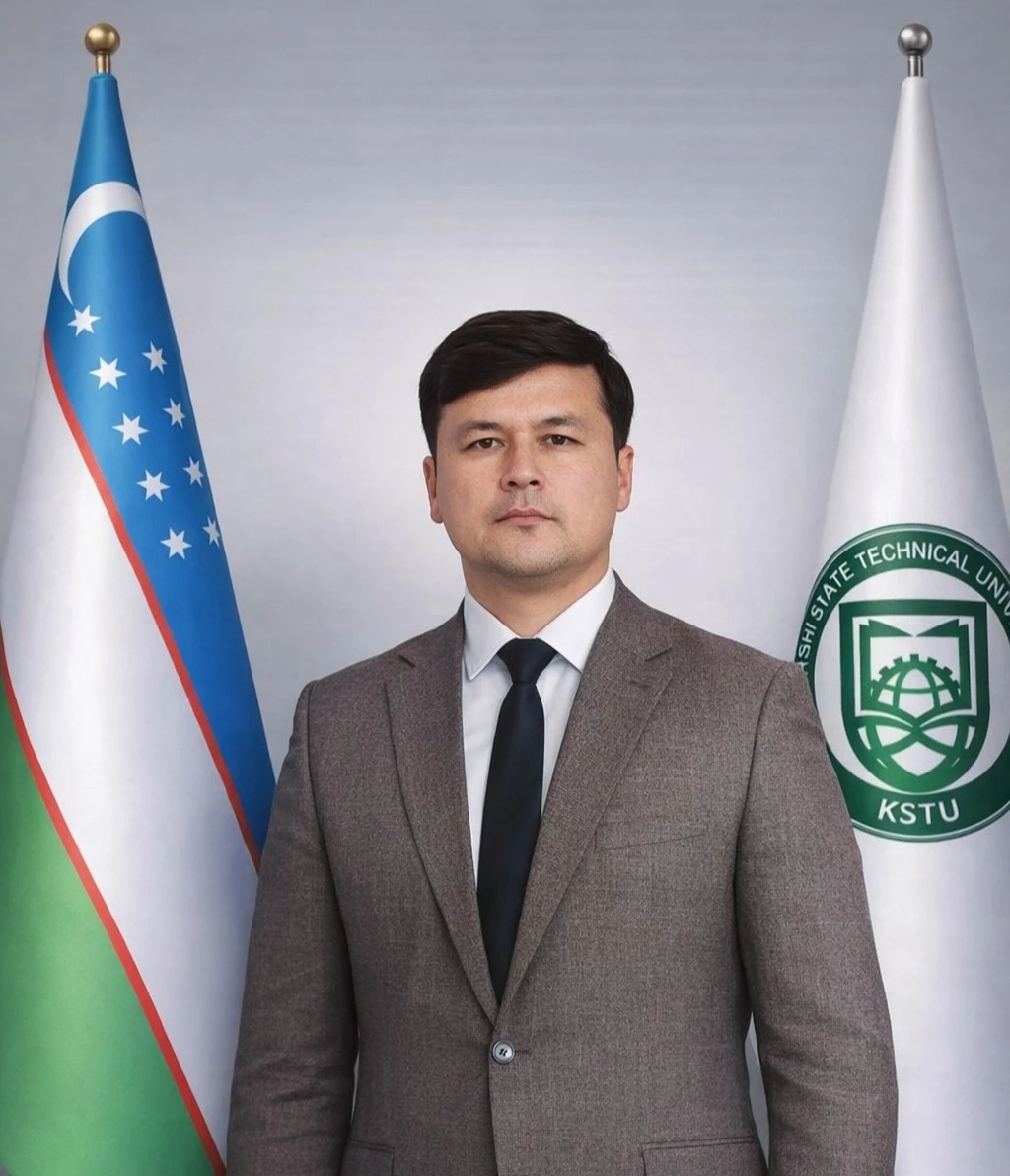
Aliev Bektosh

Academic Mobility Specialist

Full name: Aliev Bektosh
Phone: +998 90 427 87 77 Email: alievbektosh@kstu.uz
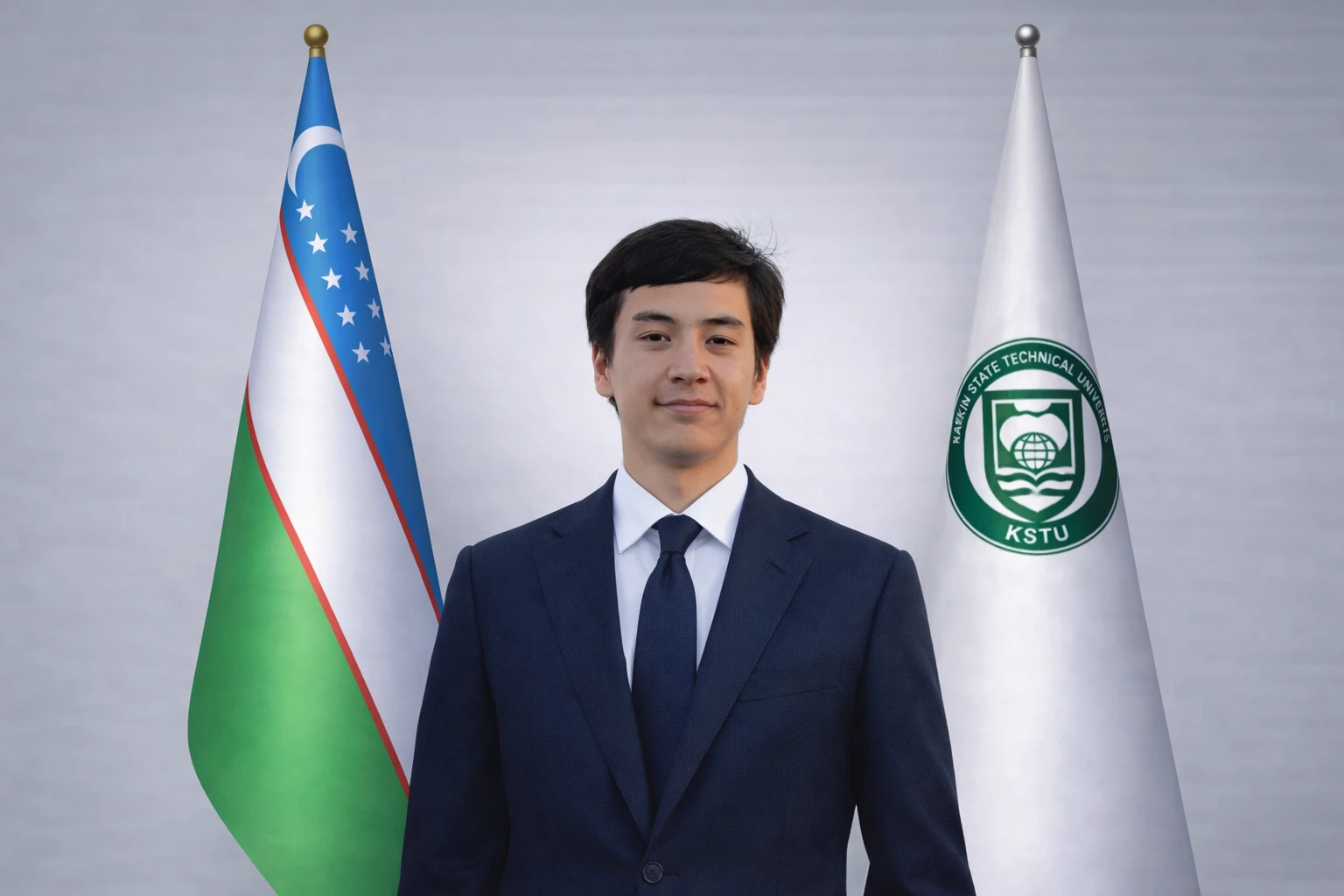
Omonov Sokhibnazar

Coordinator for Bilateral Agreements and Erasmus+ KA171 Programme

Full name: Omonov Sokhibnazar
Phone: +998 91 211 80 80 Email: omonovs@kstu.uz
Image

Specialist for International Projects and Grants

Full name: Amonov Laziz
Phone: +998 91 961 23 45 Email: amonov@kstu.uz

About the Department

The International Cooperation Department of Karshi State Technical University began its activities from the day the university was established in accordance with the Resolution of the President of the Republic of Uzbekistan No. PQ-428 dated December 12, 2024.

Tasks of the Department

  • To increase the international prestige of Karshi State Technical University and present it as one of the leading universities in the republic that trains highly qualified specialists with excellent knowledge of foreign languages, as well as experienced journalists and translator/referents capable of providing services at high-level international summits, forums, cultural and sports events.
  • To coordinate the activities of various departments, faculties and chairs in the development of the university's international relations.
  • To establish and develop mutually beneficial cooperation with reputable international organizations accredited in the Republic of Uzbekistan as well as leading higher education institutions and research centers of foreign countries.
  • To create favorable conditions at Karshi State Technical University for foreign students, researchers and professors to study, conduct research, deliver lectures, and organize practical classes and master classes.
  • To organize visits of delegations from international organizations, ministries and partner universities; to discuss issues of improving the quality of education, enhancing the educational process, establishing student, researcher and faculty exchange programs, and developing further bilateral cooperation within the framework of international conferences, forums, seminars and other events.
  • To send students, doctoral candidates and faculty members of the university to partner universities for education, professional development, delivering lectures, and participation in international conferences, seminars and webinars.
  • To coordinate the development and implementation of international educational and research projects, including projects within the framework of the European Union's ERASMUS+ program.

Purpose of the Department

Today, one of the urgent tasks in the educational process is the wide application of the latest achievements based on international standards. In this regard, the International Cooperation Department works on establishing and developing friendly, cultural, educational and scientific cooperation between the university and educational institutions around the world.

The department also provides advisory support regarding internships and short-term training courses abroad for teachers, as well as participation in grant and scholarship programs such as Erasmus, UNESCO, the "El-yurt Umidi" Foundation, the European Union, and many other international organizations and countries.

Obligations of the Department

• Ensuring the implementation of the university's relations with foreign higher education institutions and research centers, including the conclusion of contracts, agreements and memorandums;

• Organizing visits of foreign specialists, teachers and students to the university;

• Attracting foreign investments to improve the educational and training process;

• Assisting teachers, researchers and scientists in obtaining foreign grants;
• Providing consultations on preparing documents for foreign business trips of teachers, researchers and scientists;

• Giving recommendations on the participation of teachers, researchers and scientists in various international grant projects, programs and educational funds;

• Establishing and expanding relations with representatives of the diplomatic corps accredited in Uzbekistan.

Key Figures (2024/2025)

100+

Partner higher education institutions worldwide

122

Teachers sent to partner universities

20

Students (Bachelor's, Master's, PhD)

ERASMUS+

European Union program participant

International Cooperation

Currently, the university closely cooperates with around 100 higher education institutions worldwide, including universities from Europe, Western countries, Russia, China, Malaysia, India and CIS countries. Among them are also top universities in the world.

Main areas of cooperation:
• Exchange of students, researchers, teachers and administrative staff

• Joint and international educational and scientific projects

• Publication of educational and methodological literature and scientific articles

• International conferences, forums, symposiums, seminars and webinars
• Professional development and retraining of teachers

• Implementation of joint educational programs

• Organization of winter and summer schools

• Cooperation with top universities from Europe, Russia, China, Malaysia, India and CIS countries

International Activities

During the 2024–2025 academic year, 122 teachers and 20 students (Bachelor's, Master's and PhD) had the opportunity to study at partner universities, participate in professional development courses, and take part in international conferences, seminars and webinars. Members of the university's official delegations visited foreign universities to hold negotiations aimed at further developing cooperation.

Students, researchers and teachers of the university visit partner institutions in accordance with agreed conditions and regulations to participate in professional development courses, scientific projects, international conferences and seminars. In turn, representatives of partner universities also visit Karshi State Technical University within the framework of mutual cooperation.

STRATEGY FOR COMPREHENSIVE INTERNATIONALIZATION OF KARSHI STATE TECHNICAL UNIVERSITY BASED ON THE ERASMUS+ PROGRAMME (2025–2030)

1. Introduction

Integration into the global education area is a key factor in enhancing the competitiveness of higher education institutions. The Erasmus+ programme serves as one of the main instruments for developing European and international cooperation, strengthening academic mobility, and improving the quality of education and innovative capacity.

This Strategy is aimed at transforming Karshi State Technical University (hereinafter referred to as KSTU) into a fully internationalized university based on the Erasmus+ programme.

2. Objectives and Tasks of the Strategy

Main Objective:

To transform KSTU into an active participant in international education and research cooperation through the Erasmus+ programme and to train specialists in line with international standards.

Main Tasks:
  • Expanding academic and administrative mobility
  • Aligning educational programmes with international standards
  • Developing international research and innovation projects
  • Increasing the share of international students and academic staff
  • Adapting the university governance system to international best practices

3. Priority Areas of Internationalization

3.1. Academic Mobility (KA1) Student Mobility:
  • Semester-based exchange programmes with EU and partner country higher education institutions
  • Full implementation of the European Credit Transfer and Accumulation System (ECTS)
  • Involvement of at least 10–15% of students in Erasmus+ mobility programmes
Staff Mobility:
  • Teaching and professional development opportunities at foreign universities
  • Attracting foreign professors to KSTU (visiting professors)
3.2. Internationalization of Educational Programmes
  • Introduction of English-taught bachelor's and master's degree programmes
  • Development of joint and double degree programmes
  • Obtaining international accreditation (ABET, EUR-ACE, etc.)
  • Participation in Erasmus+ Capacity Building in Higher Education (CBHE) projects
3.3. Research and Innovation (KA2, KA3)
  • Development of research projects within international consortia
  • Synergy between Horizon Europe and Erasmus+ programmes
  • Increasing the number of scientific publications and patents
  • Establishment of an international grant school for early-career researchers
3.4. Internationalization of University Governance
  • Transformation of the International Relations Department into an Erasmus+ Office
  • Training of international project managers
  • Implementation of digital management and international reporting systems
  • Participation in international university rankings (QS, THE)
3.5. International Students and Cultural Integration
  • Development of an English-language portal for international students
  • Establishment of an "International Student Support Center"
  • Organization of intercultural events and Erasmus Student Network (ESN) activities
  • Adaptation of dormitory facilities and social infrastructure to international standards

4. Implementation Mechanism

Stage 1 (2025–2026)
  • Signing cooperation agreements with partner universities
  • Submission of applications for Erasmus+ projects
  • Enhancement of language proficiency and project management capacity
Stage 2 (2027–2028)
  • Launch of joint and double degree programmes
  • International accreditation of academic programmes
  • Expansion of student and staff mobility
Stage 3 (2029–2030)
  • Full international integration
  • Transformation of the university into a regional Erasmus+ hub

5. Expected Outcomes

  • Increase in the number of Erasmus+ projects to at least 3–5 per year
  • Share of international students reaching 10–15%
  • At least 20% of academic programmes delivered in English
  • Inclusion of KSTU in international university rankings
  • Enhanced competitiveness of graduates in the international labor market

6. Conclusion

This Strategy will contribute to strengthening Karshi State Technical University's position in the international higher education arena through the Erasmus+ programme, enhancing its academic and research potential, and transforming the university into one of the leading international higher education institutions in the region.